Automatic or quartz — which suits you?
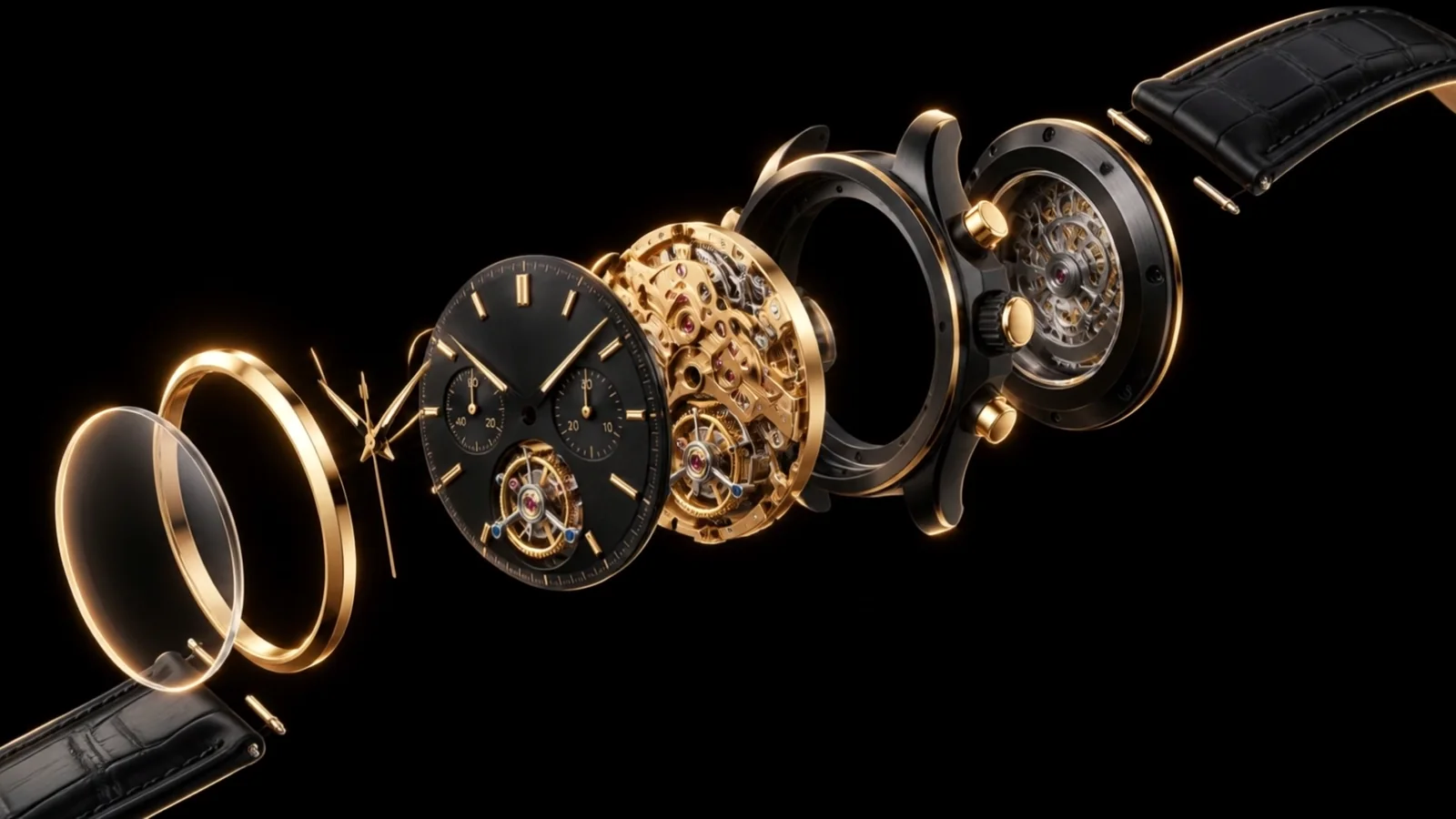
The first choice when buying a watch is rarely the brand. It's what makes the watch run. A quartz watch and an automatic watch can look the same from the outside, but behind the dial they are two completely different machines.
Quartz: precise and straightforward
A quartz watch runs on a small battery. The current makes a tiny quartz crystal vibrate exactly 32.768 times a second, a chip counts the vibrations, and a small motor moves the seconds hand one step every second.
- Very precise: typically within 15–20 seconds a month.
- The battery lasts 2–5 years, and it should be changed by a watchmaker so the gaskets sit correctly.
- Happy to lie still: put it on after a month in the drawer, and it's still running.
- Often thinner and cheaper than an automatic watch with the same functions.
Automatic: a small machine on your wrist
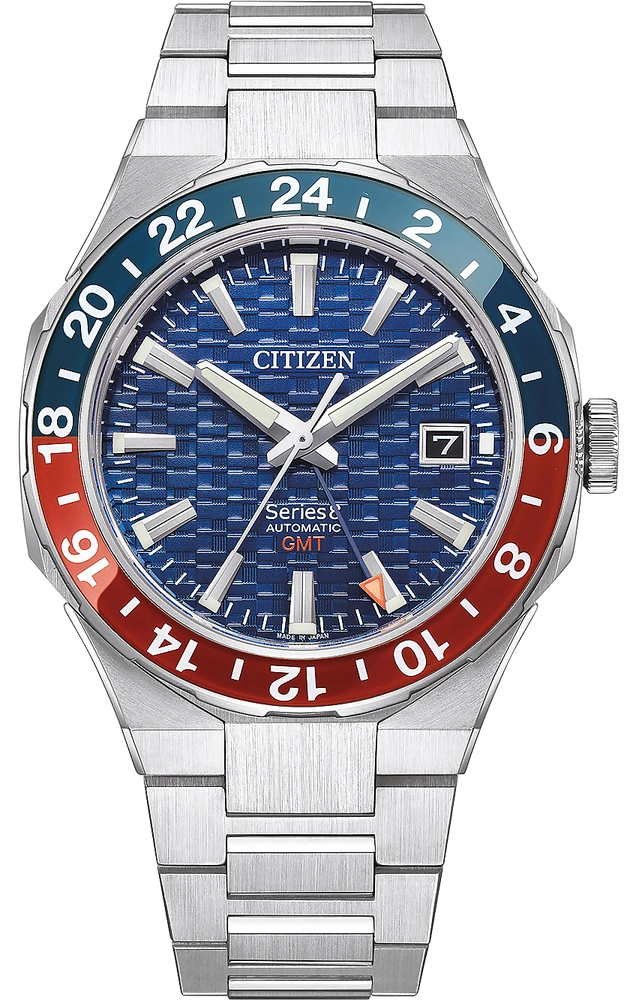
An automatic watch is mechanical. The energy is stored in a spiral spring, the mainspring, which is wound by a semicircular rotor that swings every time you move your arm. A balance wheel swings back and forth at a fixed rate — in many watches four times a second, eight ticks — and that is why the seconds hand glides instead of ticking.
- Typically keeps time to within a few seconds to half a minute a day. That is normal and not a fault.
- The power reserve — how long it runs once you've taken it off — is usually between 38 and 80 hours. If it stops over the weekend, set it and put it on; that's how it's meant to work.
- No battery, but a service every 5–7 years, when the movement is cleaned and lubricated.
- With the right care it can last for generations.
Which should you choose?
- If you just want a watch that always shows the right time and can lie in a drawer, quartz is the easy choice.
- If you want the craftsmanship — the gliding seconds hand and a movement you can see through a glass caseback — then it's automatic.
- If you switch between several watches, quartz is the most practical. An automatic watch you don't wear simply stops and needs setting again.
There is no right answer. Many people end up with both: a quartz watch for everyday and an automatic for the days when the watch should be an experience.